Rode VideoMic GO Reviews: See Why 0 Shoppers Rated It 0 Stars!
Some say the Rode VideoMic GO rocks, others think it needs more tuning. See what 0 artists think about these Rode microphones — before you hit checkout.
 Supermod
 Moderator
 Recaptor
Rode VideoMic GO Review: A Compact, No-Fuss Shotgun Mic for Everyday Creators
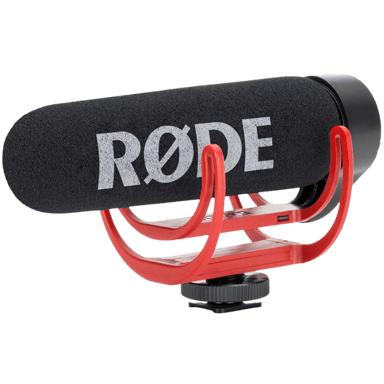
The Rode VideoMic GO aims to simplify high-quality on-camera audio without burying users in technical setups or extra buttons. It’s a lightweight, shotgun microphone built for cameras, designed in Australia, and positioned as a plug-and-play solution for vloggers, filmmakers, and content creators of all levels. Rode’s reputation for reliable, professional-grade sound continues here, albeit in a package focused more on portability and simplicity than advanced studio control.
Released in 2022, this model serves as a mid-tier entry in the brand’s consumer lineup — a tool that bridges the gap between the casual creator and the semi-professional videographer. The idea is simple: point it where the sound is, plug it in, and hit record. No switches, no batteries, no confusion.
Detailed Specs & Features
At its core, the VideoMic GO is a condenser microphone with a supercardioid polar pattern. That means it captures sound primarily from the front, rejecting most ambient noise from the sides and rear. This directionality makes it ideal for interviews or direct dialogue recording in mildly noisy environments. The pressure gradient acoustic principle further helps maintain clarity even when recording dynamic scenes outdoors or on the move.
Audio specs look modest yet capable. The mic’s frequency response spans 100 Hz to 16 kHz, meaning it focuses on vocal clarity and reduces low-end rumble. With a sensitivity of -35 dBV/Pa and a signal-to-noise ratio of 80 dB, it promises decently quiet recordings, though not on the level of professional broadcast gear. Still, its 96 dB dynamic range and 120 dB max SPL suggest it can comfortably handle loud environments without distortion.
The connectivity setup is refreshingly minimal. You get a 3.5mm TRS interface for analog connection and USB-C compatibility for direct plug-in power — no batteries, no phantom power needed. It’s an unbalanced analog output, but that’s fine for most camera setups. What’s missing, however, is a detachable cable; you’re working with a fixed 20-foot cable, which can be both a blessing (no lost cords) and a curse (less flexibility).
User Experience & Performance
Design & Build
The mic’s compact form and featherweight build — just 0.16 lbs — make it one of the easiest shotgun mics to carry around. It mounts via a shock mount, included right out of the box, which effectively reduces handling vibrations. The plastic body with a matte finish feels lightweight yet sturdy enough for regular field use. Rode also includes a windscreen and pop filter, a thoughtful addition for outdoor recording.
There are no buttons or switches to fumble with — and that’s both the point and the limitation. Simplicity is its strongest feature, but some users may miss options like onboard gain control or a low-cut filter. The minimalist design does make it nearly foolproof, especially for beginners who just want something that works without tinkering.
Audio Performance
On paper, the Rode VideoMic GO promises clarity and focus. Its unidirectional pattern ensures that subjects directly in front of the lens sound crisp, while side chatter fades into the background. The mic’s fast transient response helps it pick up quick speech changes and subtle tonal details. However, with an equivalent noise level of 34 dB, you might catch a hint of hiss in quiet indoor recordings — though it’s easily managed in post-production.
Because the mic relies on plug-in power, it’s designed for ease of use rather than pure technical control. The absence of manual gain control or a low-cut filter means the resulting sound depends heavily on your camera’s preamp quality. For most mid-range DSLRs and mirrorless cameras, that’s perfectly adequate, though not pristine.
Extra Features
Despite its simplicity, Rode didn’t completely skip smart touches. The mic supports firmware updates and offers some level of app integration for settings management. The inclusion of EQ presets is a nice touch, helping users tailor sound profiles to specific scenarios like interviews or outdoor shoots.
The product also passes all necessary safety and environmental certifications, including FCC/CE and RoHS compliance, with a two-year warranty as reassurance. It’s a small but meaningful indicator of reliability — Rode doesn’t just throw these out without standing behind their durability.
Pros & Cons
Pros
- Lightweight, portable design ideal for travel and on-camera use
- Simple plug-and-play operation with no need for batteries or phantom power
- Good directionality and background noise rejection
- Includes shock mount, pop filter, and windscreen out of the box
Cons
- Lacks onboard controls such as gain or low-cut filter
- Fixed cable limits flexibility and replacement options
Price & Value for Money
This mic typically retails as an entry-level option within Rode’s lineup. Given its simple design, sturdy build, and reliable audio capture, it represents strong value for creators who prioritize ease over customization.
If you’re a beginner or intermediate user looking for something that “just works,” it’s a sound investment. Professionals might crave more control, but they’ll appreciate the lightweight, no-battery design as a reliable backup or travel mic.
Quick Take
The Rode VideoMic GO delivers focused, directional audio with virtually no setup required. It’s compact, affordable, and purpose-built for creators who prefer shooting over tweaking settings. Not the most advanced mic out there, but easily one of the most approachable.
Closing Recommendation
If simplicity is your priority, this mic fits the bill perfectly. It’s especially great for vloggers, educators, and on-the-go filmmakers who want dependable sound without an audio engineering degree. That being said, if you need professional-grade controls or broadcast-level noise isolation, you might want to look further up Rode’s range.
Verdict
Rating: Based on the specifications and overall feature set, we believe Rode VideoMic GO deserves 4.2 out of 5.
- Winner Feature → Plug-and-play convenience with no power requirements.
- Needs Improvement → Missing manual controls for gain and frequency shaping.
Reviews 0
The good, the bad, and the brutally honest.Average Rating


More Microphones 1229
Unlock more awesome finds.