Yep, we may get a tiny thank-you (read: commission) when you buy through
links on Soundfindr — not enough for a yacht, but enough to keep the lights (and
servers) on.
Learn more
65
Highlights
47
Differences
9
Reactions
0
Likes
Rode VideoMic GO
vs
Rode VideoMic NTG:
65 Highlights & 47 Differences —
So, Which Microphone Actually Works Better
Find out which model offers features worth the price for beginners or pros.
What sets Rode VideoMic GO and Rode VideoMic NTG apart in the music world? We looked at their microphone type, body material, warranty & multi-pattern switching and key features in this microphones showdown.
Rode VideoMic GO vs Rode VideoMic NTG: Choosing the Right Shotgun Microphone for Your Needs
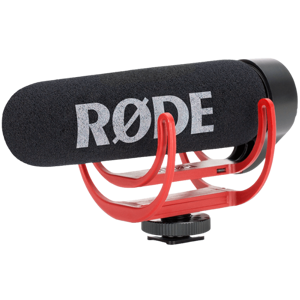
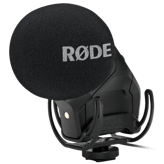
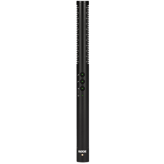
Both the Rode VideoMic GO and the VideoMic NTG are shotgun condenser microphones manufactured in Australia, tailored to capture crisp, directional audio for a variety of recording scenarios. Sharing a supercardioid polar pattern and a sleek black finish, both models excel at isolating sound in noisy environments.
However, fundamental differences set them apart: the GO targets users wanting a lightweight, beginner-friendly mic optimized for straightforward camera setups, while the NTG offers a premium, professional-grade solution featuring extensive connectivity, superior audio fidelity, and advanced control options for multifaceted use, including studio, livestreaming, and podcasting.
Why the Rode VideoMic GO Stands Out as an Easy-Use Companion
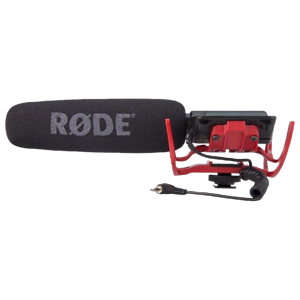
The VideoMic GO is designed with simplicity and accessibility in mind, making it an excellent choice for beginners or those needing quick plug-and-play audio enhancement. It is notably lightweight, weighing just 0.16 lbs, and features a longer fixed cable length of 20 inches, which complements direct camera connectivity without extra adapters.
A key highlight is its user-friendly minimalism: with a basic mute function and onboard integration with an app for EQ presets, the GO forgoes complex onboard controls for ease of use. Its audio specs include a frequency range starting at 100 Hz going up to 16 kHz, and a signal-to-noise ratio of 80 dB, delivering clear sound for basic recording needs.
Construction-wise, it sports a plastic matte body complete with an internal shock mount and includes accessories like a pop filter and windscreen, ensuring decent protection against handling noise. Moreover, it is equipped with professional broadcast certification, ensuring compatibility with certain broadcast standards, which is rare at this entry-level price point.
This microphone supports plug-in power through the camera and offers USB-C charging, with an auto power-off feature streamlining energy management for casual users.
The Rode VideoMic NTG: A Swiss Army Knife of Audio Excellence
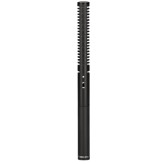
On the other hand, the VideoMic NTG is built for professionals demanding versatility and top-tier sound quality. It extends its frequency response impressively from 20 Hz up to 20 kHz, capturing richer audio textures and subtleties that the GO cannot. With a more sensitive diaphragm (-26 dB vs. -35 dB on the GO) and an excellent 82 dB signal-to-noise ratio, this mic handles noisy environments better and delivers a cleaner signal.
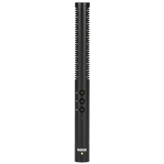
The NTG's comprehensive control panel offers onboard gain adjustment, a useful headphone monitoring output, and LED indicators for precise live adjustments, while boasting features like voice isolation and proximity effect control to tailor sound capture dynamically.
In terms of connectivity, the NTG shines with both USB-C and detachable XLR interfaces, plus wireless RF technology with Bluetooth 5.0 support, enabling multi-device pairing and dual output capabilities. This adaptability means it fits effortlessly into complex studio and field recording rigs as well as streaming and podcasting setups.
The design is also engineered for durability and professional use, featuring corrosion-resistant materials and an internal shock mount. However, it omits a pop filter, assuming users will pair it with higher-end accessories as needed. While slightly heavier at 0.21 lbs and more compact in dimensions, the short detachable cable adds flexibility for various mounting scenarios.
Quick Take
The Rode VideoMic GO triumphs in simplicity and affordability, tailored for streamlined on-camera use with adequate sound quality for beginners or casual creators. Meanwhile, the Rode VideoMic NTG is an unmatched tool for professionals seeking full-spectrum audio fidelity and expansive control, with connectivity options that make it fit for any modern setup, from studio to live broadcast.
Bottom Line
If your priority is a no-fuss, lightweight microphone compatible with most cameras, the VideoMic GO is a smart investment, especially given its low or bundled cost and straightforward feature set. However, for those who demand nuanced sound quality, versatile connectivity, and professional-grade performance, the investment in the VideoMic NTG justifies the premium price, delivering the capabilities required for demanding audio applications across multiple platforms.
Priced competitively around $239-$259 at B&H Photo Video, the NTG stands as a flagship mic. At the same time, the GO is occasionally available bundled or at a very low cost, making both microphones distinctively suited to their target audiences.
Verdict
Winner:Rode VideoMic NTG - For best in class audio versatility, superior connectivity, and professional-grade sound performance.
Runner-up:Rode VideoMic GO - Ideal for beginners or casual users wanting a lightweight, simple mic that integrates easily with cameras at an affordable price.
Side by side. The numbers. The features. No drama.
This is more than specs — it’s a microphones face-off between Rode VideoMic GO and Rode VideoMic NTG with features, user reviews, build feedback, and musician reactions.
The matte black finish looks sleek and professional in any setup. It also resists fingerprints and glare when shooting on camera.
Available product colors.
In the battle of Color Options,
Rode VideoMic GO ◉ is
better than
Rode VideoMic NTG ◉
, delivering
higher
1 score
measurement.
Don’t keep it to yourself — be the first to react and review the
Color Options on Rode VideoMic GO ◉
vs Rode VideoMic NTG ◉ and help others decide!
Compatibility
Which devices or platforms are compatible?
39
Rode VideoMic GO
0Votes
Camera
59
Rode VideoMic NTG
1Votes
PC, Mac, iOS, Android, Mixer, Camera, Audio Interface, PA System
vs
Compatibility
The Rode VideoMic GO is compatible primarily with Cameras, while the Rode VideoMic NTG offers wider compatibility with PCs, Macs, iOS, Android, Mixers, and Audio Interfaces. The NTG is more adaptable for various recording setups.
Lists supported platforms and devices.
In the battle of Compatibility,
Rode VideoMic GO ◉ is
worse than
Rode VideoMic NTG ◉
, delivering
lower
20 score
measurement.
Based on community votes for Compatibility,
Rode VideoMic GO ◉ earned
0 votes,
less than
Rode VideoMic NTG ◉,
which got 1 votes.
For versatility, the NTG really shines with its broad compatibility. I can connect it to pretty much anything I own, which is a huge plus.
See more
Model Name
What is the model name?
76
Rode VideoMic GO
0Votes
VideoMic GO
61
Rode VideoMic NTG
0Votes
VideoMic NTG
Rode VideoMic GO
The VideoMic GO is one of Rode’s most lightweight shotgun mics made for on-camera use. It’s simple to operate, making it ideal for vloggers and mobile filmmakers.
Rode VideoMic NTG
The Rode VideoMic NTG is a versatile on-camera shotgun microphone known for studio-grade audio in a portable form. It’s designed to deliver professional results for creators, streamers, and filmmakers of any level.
The specific product identifier from the manufacturer.
In the battle of Model Name,
Rode VideoMic GO ◉ is
better than
Rode VideoMic NTG ◉
, delivering
higher
15 score
measurement.
Don’t keep it to yourself — be the first to react and review the
Model Name on Rode VideoMic GO ◉
vs Rode VideoMic NTG ◉ and help others decide!
Form Factor
What is the form factor?
59
Rode VideoMic GO
0Votes
Shotgun
68
Rode VideoMic NTG
0Votes
Shotgun
Rode VideoMic GO
The shotgun design focuses sound directly in front of the mic, reducing surrounding noise. It’s perfect for interviews, outdoor scenes, or any situation where you need clear directional audio.
Rode VideoMic NTG
The shotgun shape focuses sound directly in front of the mic, cutting unwanted background noise. It’s slim and lightweight, making it ideal for camera mounting or boom pole use.
Describes the physical style of the microphone.
In the battle of Form Factor,
Rode VideoMic GO ◉ is
worse than
Rode VideoMic NTG ◉
, delivering
lower
9 score
measurement.
Don’t keep it to yourself — be the first to react and review the
Form Factor on Rode VideoMic GO ◉
vs Rode VideoMic NTG ◉ and help others decide!
Connectivity Type
What is the connectivity type?
39
Rode VideoMic GO
0Votes
Wired
88
Rode VideoMic NTG
0Votes
USB
vs
Connectivity Type
The Rode VideoMic GO features Wired connectivity, whereas the Rode VideoMic NTG offers USB connectivity. The NTG's USB option enables direct digital connection to computers and mobile devices.
Defines how the microphone connects to devices.
In the battle of Connectivity Type,
Rode VideoMic GO ◉ is
worse than
Rode VideoMic NTG ◉
, delivering
lower
49 score
measurement.
Don’t keep it to yourself — be the first to react and review the
Connectivity Type on Rode VideoMic GO ◉
vs Rode VideoMic NTG ◉ and help others decide!
Product Type
What is the product type?
49
Rode VideoMic GO
0Votes
Condenser
58
Rode VideoMic NTG
0Votes
Condenser
Rode VideoMic GO
This condenser microphone delivers clear and detailed audio ideal for voices and natural sound. It’s great for creators who need studio-quality capture without complex setup.
Defines the basic category of the microphone.
In the battle of Product Type,
Rode VideoMic GO ◉ is
worse than
Rode VideoMic NTG ◉
, delivering
lower
9 score
measurement.
Don’t keep it to yourself — be the first to react and review the
Product Type on Rode VideoMic GO ◉
vs Rode VideoMic NTG ◉ and help others decide!
Year of Release
What year was it released?
79
Rode VideoMic GO
0Votes
2022
80
Rode VideoMic NTG
0Votes
2019
vs
Year of Release
The Rode VideoMic GO was released in 2022, making it newer than the Rode VideoMic NTG which was released in 2019. The GO might incorporate more recent design or technology advancements.
Indicates when the microphone was launched.
In the battle of Year of Release,
Rode VideoMic GO ◉ is
worse than
Rode VideoMic NTG ◉
, delivering
lower
1 score
measurement.
Don’t keep it to yourself — be the first to react and review the
Year of Release on Rode VideoMic GO ◉
vs Rode VideoMic NTG ◉ and help others decide!
Country of Origin
What is the country of origin?
64
Rode VideoMic GO
0Votes
Australia
53
Rode VideoMic NTG
0Votes
Australia
Rode VideoMic NTG
Proudly designed and manufactured in Australia, ensuring high production standards and durability. Rode’s Australian engineering is known for quality control and consistent audio performance.
Manufacturing or design origin.
In the battle of Country of Origin,
Rode VideoMic GO ◉ is
better than
Rode VideoMic NTG ◉
, delivering
higher
11 score
measurement.
Don’t keep it to yourself — be the first to react and review the
Country of Origin on Rode VideoMic GO ◉
vs Rode VideoMic NTG ◉ and help others decide!
Intended Use
What is the intended use?
Who knows?
0Votes
Rode VideoMic GO
(Help us out by suggesting one!)
The Rode VideoMic GO does not specify its intended use, but the Rode VideoMic NTG is designed for a broad range of applications including studio, live, podcast, and streaming, offering much greater versatility.
Describes the primary application area.
Don’t keep it to yourself — be the first to react and review the
Intended Use on Rode VideoMic GO ◉
vs Rode VideoMic NTG ◉ and help others decide!
Polar Pattern Type
What is the polar pattern type?
84
Rode VideoMic GO
0Votes
Supercardioid
73
Rode VideoMic NTG
0Votes
Supercardioid
Rode VideoMic NTG
The supercardioid pattern captures sound mainly from the front while rejecting noise from the sides. This gives recordings a focused, professional clarity in noisy environments.
Identifies the default pickup pattern.
In the battle of Polar Pattern Type,
Rode VideoMic GO ◉ is
better than
Rode VideoMic NTG ◉
, delivering
higher
11 score
measurement.
Don’t keep it to yourself — be the first to react and review the
Polar Pattern Type on Rode VideoMic GO ◉
vs Rode VideoMic NTG ◉ and help others decide!
The Rode VideoMic GO is described with a Shock Mount for mounting, while the Rode VideoMic NTG provides more versatile mounting options including Stand, Boom Arm, Clip, and Desktop Base. The NTG allows for more flexible placement.
The typical mounting or support style.
In the battle of Mounting Type,
Rode VideoMic GO ◉ is
better than
Rode VideoMic NTG ◉
, delivering
higher
30 score
measurement.
Don’t keep it to yourself — be the first to react and review the
Mounting Type on Rode VideoMic GO ◉
vs Rode VideoMic NTG ◉ and help others decide!
Gender Target
What is the gender target?
99
Rode VideoMic GO
0Votes
Unisex
48
Rode VideoMic NTG
0Votes
Unisex
Rode VideoMic NTG
Designed for any user, this mic suits both hobbyists and professionals. It’s simple to use yet powerful enough for serious creators.
The marketing target by gender (if specified).
In the battle of Gender Target,
Rode VideoMic GO ◉ is
better than
Rode VideoMic NTG ◉
, delivering
higher
51 score
measurement.
Don’t keep it to yourself — be the first to react and review the
Gender Target on Rode VideoMic GO ◉
vs Rode VideoMic NTG ◉ and help others decide!
Age Group
What is the age group?
69
Rode VideoMic GO
0Votes
Adult
83
Rode VideoMic NTG
0Votes
Adult, Professional
Rode VideoMic NTG
Built for adult users and professionals, the VideoMic NTG meets broadcast-quality expectations. It’s intuitive enough for beginners while still satisfying advanced needs.
The intended user age bracket.
In the battle of Age Group,
Rode VideoMic GO ◉ is
worse than
Rode VideoMic NTG ◉
, delivering
lower
14 score
measurement.
Don’t keep it to yourself — be the first to react and review the
Age Group on Rode VideoMic GO ◉
vs Rode VideoMic NTG ◉ and help others decide!
Recording Application Category
What recording applications is it best for?
Who knows?
0Votes
Rode VideoMic GO
(Help us out by suggesting one!)
Suitable for nearly any recording task, it delivers consistent quality across all use cases. Whether you’re outdoors or indoors, it ensures balanced, natural sound.
Specific contexts where the mic is best suited.
Don’t keep it to yourself — be the first to react and review the
Recording Application Category on Rode VideoMic GO ◉
vs Rode VideoMic NTG ◉ and help others decide!
User Skill Level
What is the user skill level?
49
Rode VideoMic GO
0Votes
Beginner, Intermediate, Professional
48
Rode VideoMic NTG
0Votes
Beginner, Intermediate, Professional
Rode VideoMic NTG
The mic’s intuitive controls make it approachable for beginners. Professionals also appreciate its advanced audio quality and reliability in demanding setups.
Recommended audience expertise level.
In the battle of User Skill Level,
Rode VideoMic GO ◉ is
better than
Rode VideoMic NTG ◉
, delivering
higher
1 score
measurement.
Don’t keep it to yourself — be the first to react and review the
User Skill Level on Rode VideoMic GO ◉
vs Rode VideoMic NTG ◉ and help others decide!
Launch Region
Where is it available?
99
Rode VideoMic GO
0Votes
Global
78
Rode VideoMic NTG
0Votes
North America, Europe, Asia, Global
Rode VideoMic NTG
Sold worldwide, the VideoMic NTG is a trusted choice for creators in every region. Its universal USB compatibility ensures it works seamlessly across devices and markets.
Where the product is primarily available.
In the battle of Launch Region,
Rode VideoMic GO ◉ is
better than
Rode VideoMic NTG ◉
, delivering
higher
21 score
measurement.
Don’t keep it to yourself — be the first to react and review the
Launch Region on Rode VideoMic GO ◉
vs Rode VideoMic NTG ◉ and help others decide!
Limited Edition
Is it a limited/special edition?
No
0Votes
Rode VideoMic GO
No
0Votes
Rode VideoMic NTG
Rode VideoMic NTG
This model isn’t a limited edition, meaning it’s readily available year-round. You can easily replace accessories or parts without supply issues.
Whether the model is a limited or special release.
In the battle of Limited Edition,
Rode VideoMic GO ◉ is
same as
Rode VideoMic NTG ◉
.
Don’t keep it to yourself — be the first to react and review the
Limited Edition on Rode VideoMic GO ◉
vs Rode VideoMic NTG ◉ and help others decide!
Series/Line
What series/line does it belong to?
Who knows?
0Votes
Rode VideoMic GO
(Help us out by suggesting one!)
Who knows?
0Votes
Rode VideoMic NTG
(Help us out by suggesting one!)
Identifies the product line or collection the microphone belongs to.
Don’t keep it to yourself — be the first to react and review the
Series/Line on Rode VideoMic GO ◉
vs Rode VideoMic NTG ◉ and help others decide!
Who knows?
0Votes
Rode VideoMic NTG
(Help us out by suggesting one!)
The diameter of the protective microphone grill.
Don’t keep it to yourself — be the first to react and review the
Grill Diameter on Rode VideoMic GO ◉
vs Rode VideoMic NTG ◉ and help others decide!
Weight
What is the weight?
0.16
lbs
1Votes
0.21
lbs
0Votes
vs
Weight
The Rode VideoMic GO weighs 0.16 lbs (0.07 kg), making it slightly lighter than the Rode VideoMic NTG which weighs 0.21 lbs (0.1 kg). The GO offers a minor weight advantage for lightweight setups.
The microphone’s physical weight.
In the battle of Weight,
Rode VideoMic GO ◉ is
better than
Rode VideoMic NTG ◉
, delivering
equal
0.16 lbs
measurement.
Based on community votes for Weight,
Rode VideoMic GO ◉ earned
1 votes,
more than
Rode VideoMic NTG ◉,
which got 0 votes.
For my setup, a lighter mic is key, and the VideoMic GO is noticeably lighter. Every ounce counts when you're shooting handheld for hours.
See more
Width
What is the width?
2.87
inch
0Votes
0.85
inch
0Votes
vs
Width
The Rode VideoMic GO has a width of 2.87 inches (7.29 cm), which is considerably wider than the Rode VideoMic NTG at 0.85 inches (2.16 cm). The NTG has a much slimmer profile.
The microphone’s overall width.
In the battle of Width,
Rode VideoMic GO ◉ is
worse than
Rode VideoMic NTG ◉
, delivering
higher
2.0 inch
measurement.
Don’t keep it to yourself — be the first to react and review the
Width on Rode VideoMic GO ◉
vs Rode VideoMic NTG ◉ and help others decide!
Height
What is the height?
3.11
inch
0Votes
6.73
inch
0Votes
vs
Height
The Rode VideoMic GO stands 3.11 inches (7.9 cm) tall, while the Rode VideoMic NTG is taller at 6.73 inches (17.09 cm). The NTG's longer body is typical of shotgun microphones.
The microphone’s overall height.
In the battle of Height,
Rode VideoMic GO ◉ is
better than
Rode VideoMic NTG ◉
, delivering
lower
3.6 inch
measurement.
Don’t keep it to yourself — be the first to react and review the
Height on Rode VideoMic GO ◉
vs Rode VideoMic NTG ◉ and help others decide!
Cable Length
What is the cable length?
20
ft
0Votes
1
ft
0Votes
vs
Cable Length
The Rode VideoMic GO includes a 20 ft (6.1 m) cable, which is considerably longer than the 1 ft (0.3 m) cable provided with the Rode VideoMic NTG. The GO offers extended reach without needing additional cables.
Length of the included or integrated cable.
In the battle of Cable Length,
Rode VideoMic GO ◉ is
better than
Rode VideoMic NTG ◉
, delivering
higher
19.0 ft
measurement.
Don’t keep it to yourself — be the first to react and review the
Cable Length on Rode VideoMic GO ◉
vs Rode VideoMic NTG ◉ and help others decide!
Capsule Diameter
What is the capsule diameter?
0.8
inch
0Votes
0.85
inch
0Votes
Rode VideoMic NTG
The 0.85-inch (around 2.2 cm) capsule helps capture precise, clean sound. It’s tuned for natural tone and high detail across all frequencies.
The diameter of the microphone capsule.
In the battle of Capsule Diameter,
Rode VideoMic GO ◉ is
worse than
Rode VideoMic NTG ◉
, delivering
equal
0.80 inch
measurement.
Don’t keep it to yourself — be the first to react and review the
Capsule Diameter on Rode VideoMic GO ◉
vs Rode VideoMic NTG ◉ and help others decide!
Mounting Thread Size
What is the mounting thread size?
66
Rode VideoMic GO
0Votes
3/8"
65
Rode VideoMic NTG
0Votes
3/8"
Rode VideoMic NTG
The 3/8-inch thread fits most standard stands and arms. It ensures secure attachment during recording or transport.
The thread size for mounting compatibility.
In the battle of Mounting Thread Size,
Rode VideoMic GO ◉ is
better than
Rode VideoMic NTG ◉
, delivering
higher
1 score
measurement.
Don’t keep it to yourself — be the first to react and review the
Mounting Thread Size on Rode VideoMic GO ◉
vs Rode VideoMic NTG ◉ and help others decide!
Depth
What is the depth?
6.57
inch
0Votes
0.85
inch
0Votes
vs
Depth
The Rode VideoMic GO measures 6.57 inches (16.69 cm) in depth, making it significantly deeper than the Rode VideoMic NTG which has a depth of 0.85 inches (2.16 cm). The NTG is a more compact, cylindrical design.
The microphone’s overall depth.
In the battle of Depth,
Rode VideoMic GO ◉ is
worse than
Rode VideoMic NTG ◉
, delivering
higher
5.7 inch
measurement.
Don’t keep it to yourself — be the first to react and review the
Depth on Rode VideoMic GO ◉
vs Rode VideoMic NTG ◉ and help others decide!
Package Width
What is the package width?
5.5
inch
0Votes
Who knows?
0Votes
Rode VideoMic NTG
(Help us out by suggesting one!)
The shipping package’s width.
Don’t keep it to yourself — be the first to react and review the
Package Width on Rode VideoMic GO ◉
vs Rode VideoMic NTG ◉ and help others decide!
Package Depth
What is the package depth?
3.5
inch
0Votes
Who knows?
0Votes
Rode VideoMic NTG
(Help us out by suggesting one!)
The shipping package’s depth.
Don’t keep it to yourself — be the first to react and review the
Package Depth on Rode VideoMic GO ◉
vs Rode VideoMic NTG ◉ and help others decide!
Package Height
What is the package height?
2.8
inch
0Votes
Who knows?
0Votes
Rode VideoMic NTG
(Help us out by suggesting one!)
The shipping package’s height.
Don’t keep it to yourself — be the first to react and review the
Package Height on Rode VideoMic GO ◉
vs Rode VideoMic NTG ◉ and help others decide!
Stand/Arm Length
What is the stand/arm length?
Who knows?
0Votes
Rode VideoMic GO
(Help us out by suggesting one!)
Who knows?
0Votes
Rode VideoMic NTG
(Help us out by suggesting one!)
Maximum length of included stand or boom arm.
Don’t keep it to yourself — be the first to react and review the
Stand/Arm Length on Rode VideoMic GO ◉
vs Rode VideoMic NTG ◉ and help others decide!
Capsule Length
What is the capsule length?
0.5
inch
0Votes
Who knows?
0Votes
Rode VideoMic NTG
(Help us out by suggesting one!)
The length of the microphone capsule.
Don’t keep it to yourself — be the first to react and review the
Capsule Length on Rode VideoMic GO ◉
vs Rode VideoMic NTG ◉ and help others decide!
Base Footprint Diameter
What is the base/stand footprint diameter?
Who knows?
0Votes
Rode VideoMic GO
(Help us out by suggesting one!)
Who knows?
0Votes
Rode VideoMic NTG
(Help us out by suggesting one!)
Diameter of the microphone base or stand footprint.
Don’t keep it to yourself — be the first to react and review the
Base Footprint Diameter on Rode VideoMic GO ◉
vs Rode VideoMic NTG ◉ and help others decide!
The Rode VideoMic GO has a signal-to-noise ratio of 80 dB, slightly less than the Rode VideoMic NTG's 82 dB. The NTG generally produces a cleaner audio signal with less inherent noise.
The clarity ratio between signal and background noise.
In the battle of Signal-to-Noise Ratio,
Rode VideoMic GO ◉ is
worse than
Rode VideoMic NTG ◉
, delivering
lower
2.0 dB
measurement.
Don’t keep it to yourself — be the first to react and review the
Signal-to-Noise Ratio on Rode VideoMic GO ◉
vs Rode VideoMic NTG ◉ and help others decide!
The condenser design provides sensitivity and clarity ideal for voices and instruments. Combined with the shotgun form, it delivers focused, studio-grade audio.
Defines the operating principle of the microphone.
In the battle of Microphone Type,
Rode VideoMic GO ◉ is
better than
Rode VideoMic NTG ◉
, delivering
higher
36 score
measurement.
Don’t keep it to yourself — be the first to react and review the
Microphone Type on Rode VideoMic GO ◉
vs Rode VideoMic NTG ◉ and help others decide!
The Rode VideoMic GO has an equivalent noise level of 34 dB, significantly higher than the Rode VideoMic NTG's 16 dB. The NTG boasts a much quieter noise floor, crucial for high-quality recordings.
The self-noise generated by the microphone.
In the battle of Equivalent Noise Level,
Rode VideoMic GO ◉ is
worse than
Rode VideoMic NTG ◉
, delivering
higher
18.0 dB
measurement.
Don’t keep it to yourself — be the first to react and review the
Equivalent Noise Level on Rode VideoMic GO ◉
vs Rode VideoMic NTG ◉ and help others decide!
The Rode VideoMic GO does not have a Voice Isolation Feature, unlike the Rode VideoMic NTG which does. This feature in the NTG can improve vocal clarity by minimizing ambient sounds.
Whether the mic includes isolation tech.
In the battle of Voice Isolation Feature,
Rode VideoMic GO ◉ is
worse than
Rode VideoMic NTG ◉
.
Based on community votes for Voice Isolation Feature,
Rode VideoMic GO ◉ earned
0 votes,
less than
Rode VideoMic NTG ◉,
which got 1 votes.
The voice isolation feature on the NTG is super important for my podcasting work. It helps keep background noise out of the recordings, which is crucial.
In the battle of Transformer/Transformerless Design,
Rode VideoMic GO ◉ is
worse than
Rode VideoMic NTG ◉
, delivering
lower
39 score
measurement.
Don’t keep it to yourself — be the first to react and review the
Transformer/Transformerless Design on Rode VideoMic GO ◉
vs Rode VideoMic NTG ◉ and help others decide!
Frequency Response (Min)
What is the minimum frequency response?
100
Hz
0Votes
20
Hz
0Votes
vs
Frequency Response (Min)
The Rode VideoMic GO has a minimum frequency response of 100 Hz, whereas the Rode VideoMic NTG captures lower frequencies down to 20 Hz. The NTG delivers a richer low-end audio performance.
The lowest frequency the mic can capture.
In the battle of Frequency Response (Min),
Rode VideoMic GO ◉ is
worse than
Rode VideoMic NTG ◉
, delivering
higher
80.0 Hz
measurement.
Don’t keep it to yourself — be the first to react and review the
Frequency Response (Min) on Rode VideoMic GO ◉
vs Rode VideoMic NTG ◉ and help others decide!
Sensitivity
What is the sensitivity?
-35
dBV/Pa
0Votes
-26
dBV/Pa
0Votes
vs
Sensitivity
The Rode VideoMic GO has a sensitivity of -35 dBV/Pa, which is less sensitive than the Rode VideoMic NTG's -26 dBV/Pa. The NTG is more efficient at picking up quieter sounds.
Output level relative to sound pressure.
In the battle of Sensitivity,
Rode VideoMic GO ◉ is
worse than
Rode VideoMic NTG ◉
, delivering
lower
9.0 dBV/Pa
measurement.
Don’t keep it to yourself — be the first to react and review the
Sensitivity on Rode VideoMic GO ◉
vs Rode VideoMic NTG ◉ and help others decide!
Max SPL
What is the maximum SPL?
120
dB
0Votes
120
dB
0Votes
Rode VideoMic GO
The mic can handle loud environments up to 120 dB, about the level of a live concert. This means it won’t easily distort when recording energetic scenes or performances.
Rode VideoMic NTG
It can handle up to 120 dB SPL, so loud instruments or environments won’t clip. This makes it suitable for drums, crowds, and outdoor events.
The maximum loudness before distortion.
In the battle of Max SPL,
Rode VideoMic GO ◉ is
same as
Rode VideoMic NTG ◉
, delivering
equal
120.00 dB
measurement.
Don’t keep it to yourself — be the first to react and review the
Max SPL on Rode VideoMic GO ◉
vs Rode VideoMic NTG ◉ and help others decide!
Frequency Response (Max)
What is the maximum frequency response?
16,000
Hz
0Votes
20,000
Hz
1Votes
vs
Frequency Response (Max)
The Rode VideoMic GO has a maximum frequency response of 16000 Hz, which is lower than the Rode VideoMic NTG's 20000 Hz. The NTG can capture a wider range of high-frequency details.
The highest frequency the mic can capture.
In the battle of Frequency Response (Max),
Rode VideoMic GO ◉ is
worse than
Rode VideoMic NTG ◉
, delivering
lower
4,000.0 Hz
measurement.
Based on community votes for Frequency Response (Max),
Rode VideoMic GO ◉ earned
0 votes,
less than
Rode VideoMic NTG ◉,
which got 1 votes.
I definitely prefer the NTG for its wider frequency response. Getting those higher frequencies captured really makes a difference for professional audio work.
See more
Capsule Type
What is the capsule type?
68
Rode VideoMic GO
0Votes
Small Diaphragm
73
Rode VideoMic NTG
0Votes
Small Diaphragm
Rode VideoMic NTG
A small-diaphragm capsule ensures quick transient response and detail. It’s ideal for crisp, accurate sound in dialogue or acoustic instruments.
Specifies the capsule style that influences sound capture.
In the battle of Capsule Type,
Rode VideoMic GO ◉ is
worse than
Rode VideoMic NTG ◉
, delivering
lower
5 score
measurement.
Don’t keep it to yourself — be the first to react and review the
Capsule Type on Rode VideoMic GO ◉
vs Rode VideoMic NTG ◉ and help others decide!
Dynamic Range
What is the dynamic range?
96
dB
0Votes
105
dB
0Votes
vs
Dynamic Range
The Rode VideoMic GO offers a dynamic range of 96 dB, which is narrower than the Rode VideoMic NTG's 105 dB. The NTG handles a greater difference between the softest and loudest sounds without distortion.
The range between quietest and loudest sounds captured.
In the battle of Dynamic Range,
Rode VideoMic GO ◉ is
worse than
Rode VideoMic NTG ◉
, delivering
lower
9.0 dB
measurement.
Don’t keep it to yourself — be the first to react and review the
Dynamic Range on Rode VideoMic GO ◉
vs Rode VideoMic NTG ◉ and help others decide!
Directionality
What is the directionality?
39
Rode VideoMic GO
0Votes
Unidirectional
18
Rode VideoMic NTG
0Votes
Unidirectional
Rode VideoMic GO
The unidirectional pickup captures what’s in front and reduces background chatter. It’s especially useful for solo creators filming in noisy locations.
General pickup orientation.
In the battle of Directionality,
Rode VideoMic GO ◉ is
better than
Rode VideoMic NTG ◉
, delivering
higher
21 score
measurement.
Don’t keep it to yourself — be the first to react and review the
Directionality on Rode VideoMic GO ◉
vs Rode VideoMic NTG ◉ and help others decide!
Output Impedance
What is the output impedance?
200
ohm
0Votes
Who knows?
0Votes
Rode VideoMic NTG
(Help us out by suggesting one!)
vs
Output Impedance
The Rode VideoMic GO has an output impedance of 200 ohms, while this specification is not available for the Rode VideoMic NTG. This detail may be important for pairing the GO with specific audio equipment.
Electrical resistance of the microphone’s output.
Don’t keep it to yourself — be the first to react and review the
Output Impedance on Rode VideoMic GO ◉
vs Rode VideoMic NTG ◉ and help others decide!
Low-Cut Filter
What is the low-cut filter cutoff?
Who knows?
0Votes
Rode VideoMic GO
(Help us out by suggesting one!)
150
Hz
0Votes
vs
Low-Cut Filter
The Rode VideoMic GO does not specify a Low-Cut Filter, while the Rode VideoMic NTG is equipped with a 150 Hz low-cut filter. The NTG's filter helps to reduce unwanted low-frequency rumble and background noise.
Removes low-end rumble.
Don’t keep it to yourself — be the first to react and review the
Low-Cut Filter on Rode VideoMic GO ◉
vs Rode VideoMic NTG ◉ and help others decide!
Minimum Terminating Impedance
What is the minimum terminating impedance?
Who knows?
0Votes
Rode VideoMic GO
(Help us out by suggesting one!)
Who knows?
0Votes
Rode VideoMic NTG
(Help us out by suggesting one!)
The minimum load impedance required for optimal microphone performance and to avoid signal distortion.
Don’t keep it to yourself — be the first to react and review the
Minimum Terminating Impedance on Rode VideoMic GO ◉
vs Rode VideoMic NTG ◉ and help others decide!
THD
What is the THD (total Harmonic Distortion)?
Who knows?
0Votes
Rode VideoMic GO
(Help us out by suggesting one!)
0.1
%
0Votes
vs
THD
Total Harmonic Distortion (THD) is not available for the Rode VideoMic GO, but the Rode VideoMic NTG reports a THD of 0.1%. The NTG's low THD value indicates high fidelity audio reproduction.
Distortion added at high volumes.
Don’t keep it to yourself — be the first to react and review the
THD on Rode VideoMic GO ◉
vs Rode VideoMic NTG ◉ and help others decide!
Gain Range
What is the gain range?
Who knows?
0Votes
Rode VideoMic GO
(Help us out by suggesting one!)
40
dB
0Votes
vs
Gain Range
The Rode VideoMic GO does not specify a gain range, whereas the Rode VideoMic NTG offers a substantial 40 dB gain range. The NTG provides more control over input levels directly from the microphone.
The adjustable gain span.
Don’t keep it to yourself — be the first to react and review the
Gain Range on Rode VideoMic GO ◉
vs Rode VideoMic NTG ◉ and help others decide!
Pre-Attenuation Pad
What is the pre-attenuation pad?
Who knows?
0Votes
Rode VideoMic GO
(Help us out by suggesting one!)
-20
dB
0Votes
vs
Pre-Attenuation Pad
The Rode VideoMic GO does not feature a Pre-Attenuation Pad, but the Rode VideoMic NTG includes a -20 dB pad. This allows the NTG to manage very loud sound sources without clipping.
Built-in reduction for handling loud signals.
Don’t keep it to yourself — be the first to react and review the
Pre-Attenuation Pad on Rode VideoMic GO ◉
vs Rode VideoMic NTG ◉ and help others decide!
Stereo/Mono Mode
What mode is supported?
29
Rode VideoMic GO
0Votes
Mono
28
Rode VideoMic NTG
0Votes
Mono
Determines recording mode.
In the battle of Stereo/Mono Mode,
Rode VideoMic GO ◉ is
better than
Rode VideoMic NTG ◉
, delivering
higher
1 score
measurement.
Don’t keep it to yourself — be the first to react and review the
Stereo/Mono Mode on Rode VideoMic GO ◉
vs Rode VideoMic NTG ◉ and help others decide!
Acoustic Principle
What is the acoustic principle?
99
Rode VideoMic GO
0Votes
Pressure Gradient
78
Rode VideoMic NTG
0Votes
Pressure Gradient
The underlying sound capture mechanism.
In the battle of Acoustic Principle,
Rode VideoMic GO ◉ is
better than
Rode VideoMic NTG ◉
, delivering
higher
21 score
measurement.
Don’t keep it to yourself — be the first to react and review the
Acoustic Principle on Rode VideoMic GO ◉
vs Rode VideoMic NTG ◉ and help others decide!
Headroom
What is the headroom?
Who knows?
0Votes
Rode VideoMic GO
(Help us out by suggesting one!)
50
dB
0Votes
vs
Headroom
The headroom for the Rode VideoMic GO is not available, but the Rode VideoMic NTG offers 50 dB of headroom. The NTG's generous headroom helps prevent distortion during unexpected loud peaks.
Range above nominal operating level before distortion.
Don’t keep it to yourself — be the first to react and review the
Headroom on Rode VideoMic GO ◉
vs Rode VideoMic NTG ◉ and help others decide!
Transient Response
What is the transient response?
99
Rode VideoMic GO
0Votes
Fast
98
Rode VideoMic NTG
0Votes
Fast
Ability to capture sudden sound changes.
In the battle of Transient Response,
Rode VideoMic GO ◉ is
better than
Rode VideoMic NTG ◉
, delivering
higher
1 score
measurement.
Don’t keep it to yourself — be the first to react and review the
Transient Response on Rode VideoMic GO ◉
vs Rode VideoMic NTG ◉ and help others decide!
Off-Axis Rejection
What is the off-axis rejection?
30
dB
0Votes
90
dB
0Votes
vs
Off-Axis Rejection
The Rode VideoMic GO provides 30 dB of off-axis rejection, which is significantly less than the Rode VideoMic NTG's 90 dB. The NTG is far more effective at isolating the intended sound source by rejecting sounds from the sides.
Sensitivity drop when sound comes from the side/rear.
In the battle of Off-Axis Rejection,
Rode VideoMic GO ◉ is
worse than
Rode VideoMic NTG ◉
, delivering
lower
60.0 dB
measurement.
Don’t keep it to yourself — be the first to react and review the
Off-Axis Rejection on Rode VideoMic GO ◉
vs Rode VideoMic NTG ◉ and help others decide!
Proximity Effect Control
Does it have proximity effect control?
No
0Votes
Rode VideoMic GO
Yes
0Votes
Rode VideoMic NTG
vs
Proximity Effect Control
The Rode VideoMic GO does not offer Proximity Effect Control, but the Rode VideoMic NTG does. This control in the NTG helps maintain a consistent bass response even when the sound source is close to the microphone.
Whether it has control for bass buildup at close range.
In the battle of Proximity Effect Control,
Rode VideoMic GO ◉ is
worse than
Rode VideoMic NTG ◉
.
Don’t keep it to yourself — be the first to react and review the
Proximity Effect Control on Rode VideoMic GO ◉
vs Rode VideoMic NTG ◉ and help others decide!
Overload Point
What is the overload point?
120
dB
0Votes
Who knows?
0Votes
Rode VideoMic NTG
(Help us out by suggesting one!)
vs
Overload Point
The Rode VideoMic GO has an overload point of 120 dB, while this specific measure is not available for the Rode VideoMic NTG. This indicates the maximum SPL the GO can handle before distorting.
The SPL level where overload occurs.
Don’t keep it to yourself — be the first to react and review the
Overload Point on Rode VideoMic GO ◉
vs Rode VideoMic NTG ◉ and help others decide!
Acoustic Noise Isolation Rating
What is the acoustic noise isolation rating?
30
dB
0Votes
20
dB
0Votes
vs
Acoustic Noise Isolation Rating
The Rode VideoMic GO has an acoustic noise isolation rating of 30 dB, which is higher than the Rode VideoMic NTG's 20 dB. The GO might offer slightly better suppression of environmental noise.
Rating for rejecting ambient noise.
In the battle of Acoustic Noise Isolation Rating,
Rode VideoMic GO ◉ is
better than
Rode VideoMic NTG ◉
, delivering
higher
10.0 dB
measurement.
Don’t keep it to yourself — be the first to react and review the
Acoustic Noise Isolation Rating on Rode VideoMic GO ◉
vs Rode VideoMic NTG ◉ and help others decide!
Polar Pattern Switching Precision
What is the switching precision?
67
Rode VideoMic GO
0Votes
Stepped
67
Rode VideoMic NTG
0Votes
Stepped
The accuracy of selectable polar patterns.
In the battle of Polar Pattern Switching Precision,
Rode VideoMic GO ◉ is
same as
Rode VideoMic NTG ◉
.
Don’t keep it to yourself — be the first to react and review the
Polar Pattern Switching Precision on Rode VideoMic GO ◉
vs Rode VideoMic NTG ◉ and help others decide!
Output Level
What is the output level?
-38
dBV/Pa
0Votes
-40
dBV/Pa
0Votes
vs
Output Level
The Rode VideoMic GO has an output level of -38 dBV/Pa, which is marginally higher than the Rode VideoMic NTG's -40 dBV/Pa. The GO provides a slightly stronger output signal.
The output voltage relative to input pressure.
In the battle of Output Level,
Rode VideoMic GO ◉ is
better than
Rode VideoMic NTG ◉
, delivering
higher
2.0 dBV/Pa
measurement.
Don’t keep it to yourself — be the first to react and review the
Output Level on Rode VideoMic GO ◉
vs Rode VideoMic NTG ◉ and help others decide!
Internal Preamp Quality
What is the internal preamp quality?
48
Rode VideoMic GO
0Votes
Standard
88
Rode VideoMic NTG
0Votes
Studio-Grade
vs
Internal Preamp Quality
The Rode VideoMic GO features a Standard internal preamp quality, whereas the Rode VideoMic NTG boasts a Studio-Grade internal preamp. The NTG's preamp offers superior audio fidelity and performance.
Describes the built-in preamp’s fidelity.
In the battle of Internal Preamp Quality,
Rode VideoMic GO ◉ is
worse than
Rode VideoMic NTG ◉
, delivering
lower
40 score
measurement.
Don’t keep it to yourself — be the first to react and review the
Internal Preamp Quality on Rode VideoMic GO ◉
vs Rode VideoMic NTG ◉ and help others decide!
The Rode VideoMic GO does not have a detachable cable, but the Rode VideoMic NTG does. A detachable cable on the NTG provides convenience for storage, replacement, and custom cable lengths.
Whether the cable can be detached or replaced.
In the battle of Cable Detachable,
Rode VideoMic GO ◉ is
worse than
Rode VideoMic NTG ◉
.
Based on community votes for Cable Detachable,
Rode VideoMic GO ◉ earned
0 votes,
less than
Rode VideoMic NTG ◉,
which got 1 votes.
Who knows?
0Votes
Rode VideoMic GO
(Help us out by suggesting one!)
67
Rode VideoMic NTG
0Votes
RF
vs
Wireless Technology
Wireless Technology is not specified for the Rode VideoMic GO, but the Rode VideoMic NTG mentions RF (Radio Frequency) technology. The NTG might have capabilities related to wireless communication or control.
The wireless system type used.
Don’t keep it to yourself — be the first to react and review the
Wireless Technology on Rode VideoMic GO ◉
vs Rode VideoMic NTG ◉ and help others decide!
The Rode VideoMic GO offers Analog audio output options, whereas the Rode VideoMic NTG provides a wider array including Analog, Digital, Balanced, and Unbalanced outputs. The NTG is far more versatile for integrating into diverse audio systems.
Lists output signal formats available.
In the battle of Audio Output Options,
Rode VideoMic GO ◉ is
better than
Rode VideoMic NTG ◉
, delivering
higher
8 score
measurement.
Don’t keep it to yourself — be the first to react and review the
Audio Output Options on Rode VideoMic GO ◉
vs Rode VideoMic NTG ◉ and help others decide!
Who knows?
0Votes
Rode VideoMic GO
(Help us out by suggesting one!)
12
ms
0Votes
vs
Interface Latency
Interface Latency is not specified for the Rode VideoMic GO, but the Rode VideoMic NTG has a latency of 12 ms. This low latency in the NTG is beneficial for real-time monitoring without noticeable delay.
Latency introduced by the interface.
Don’t keep it to yourself — be the first to react and review the
Interface Latency on Rode VideoMic GO ◉
vs Rode VideoMic NTG ◉ and help others decide!
The Rode VideoMic GO does not support Multi-Device Pairing, but the Rode VideoMic NTG does. This feature allows the NTG to seamlessly connect and switch between multiple compatible devices.
Ability to connect to multiple devices simultaneously.
In the battle of Multi-Device Pairing,
Rode VideoMic GO ◉ is
worse than
Rode VideoMic NTG ◉
.
Don’t keep it to yourself — be the first to react and review the
Multi-Device Pairing on Rode VideoMic GO ◉
vs Rode VideoMic NTG ◉ and help others decide!
Connection Interface
What is the connection interface?
52
Rode VideoMic GO
0Votes
USB, TRS
53
Rode VideoMic NTG
0Votes
USB, XLR
vs
Connection Interface
The Rode VideoMic GO uses USB and TRS as connection interfaces, while the Rode VideoMic NTG uses USB and XLR. The NTG's XLR connection is preferred for professional, balanced audio transmission.
Defines the main interface for connectivity.
In the battle of Connection Interface,
Rode VideoMic GO ◉ is
worse than
Rode VideoMic NTG ◉
, delivering
lower
1 score
measurement.
Don’t keep it to yourself — be the first to react and review the
Connection Interface on Rode VideoMic GO ◉
vs Rode VideoMic NTG ◉ and help others decide!
USB Compatibility
What USB versions are compatible?
77
Rode VideoMic GO
0Votes
USB-C
86
Rode VideoMic NTG
0Votes
USB-C
Rode VideoMic NTG
The USB-C connection ensures fast, reliable audio transfer. It’s compatible with most modern laptops and mobile devices.
Identifies supported USB standards.
In the battle of USB Compatibility,
Rode VideoMic GO ◉ is
worse than
Rode VideoMic NTG ◉
, delivering
lower
9 score
measurement.
Don’t keep it to yourself — be the first to react and review the
USB Compatibility on Rode VideoMic GO ◉
vs Rode VideoMic NTG ◉ and help others decide!
Bluetooth Version
What Bluetooth version does it support?
Who knows?
0Votes
Rode VideoMic GO
(Help us out by suggesting one!)
63
Rode VideoMic NTG
0Votes
5.0
vs
Bluetooth Version
The Rode VideoMic GO does not specify a Bluetooth version, but the Rode VideoMic NTG features Bluetooth 5.0. This could enable advanced wireless control or connectivity for the NTG.
Version of Bluetooth supported (if applicable).
Don’t keep it to yourself — be the first to react and review the
Bluetooth Version on Rode VideoMic GO ◉
vs Rode VideoMic NTG ◉ and help others decide!
RF Frequency Range
What is the RF frequency range?
Who knows?
0Votes
Rode VideoMic GO
(Help us out by suggesting one!)
Who knows?
0Votes
Rode VideoMic NTG
(Help us out by suggesting one!)
Frequency spectrum range for mics.
Don’t keep it to yourself — be the first to react and review the
RF Frequency Range on Rode VideoMic GO ◉
vs Rode VideoMic NTG ◉ and help others decide!
Phantom Power Support
Does it support phantom power?
No
0Votes
Rode VideoMic GO
Yes
0Votes
Rode VideoMic NTG
vs
Phantom Power Support
The Rode VideoMic GO does not support Phantom Power, unlike the Rode VideoMic NTG which does. Phantom power support makes the NTG compatible with a broader range of professional audio equipment.
Whether the mic supports phantom power.
In the battle of Phantom Power Support,
Rode VideoMic GO ◉ is
worse than
Rode VideoMic NTG ◉
.
Don’t keep it to yourself — be the first to react and review the
Phantom Power Support on Rode VideoMic GO ◉
vs Rode VideoMic NTG ◉ and help others decide!
Balanced/Unbalanced Output
What is the output type?
49
Rode VideoMic GO
0Votes
Unbalanced
48
Rode VideoMic NTG
0Votes
Unbalanced
Defines the type of electrical signal output.
In the battle of Balanced/Unbalanced Output,
Rode VideoMic GO ◉ is
better than
Rode VideoMic NTG ◉
, delivering
higher
1 score
measurement.
Don’t keep it to yourself — be the first to react and review the
Balanced/Unbalanced Output on Rode VideoMic GO ◉
vs Rode VideoMic NTG ◉ and help others decide!
Dual Output Capability
Does it have dual output capability?
No
0Votes
Rode VideoMic GO
Yes
0Votes
Rode VideoMic NTG
vs
Dual Output Capability
The Rode VideoMic GO lacks Dual Output Capability, a feature present in the Rode VideoMic NTG. The NTG can output audio to two different destinations simultaneously, enhancing recording flexibility.
Ability to provide two simultaneous outputs.
In the battle of Dual Output Capability,
Rode VideoMic GO ◉ is
worse than
Rode VideoMic NTG ◉
.
Don’t keep it to yourself — be the first to react and review the
Dual Output Capability on Rode VideoMic GO ◉
vs Rode VideoMic NTG ◉ and help others decide!
XLR Pin Configuration
What is the XLR pin configuration?
Who knows?
0Votes
Rode VideoMic GO
(Help us out by suggesting one!)
98
Rode VideoMic NTG
0Votes
Standard
Specifies XLR wiring configuration.
Don’t keep it to yourself — be the first to react and review the
XLR Pin Configuration on Rode VideoMic GO ◉
vs Rode VideoMic NTG ◉ and help others decide!
Ground Lift Switch
Does it have a ground lift switch?
No
0Votes
Rode VideoMic GO
Yes
0Votes
Rode VideoMic NTG
vs
Ground Lift Switch
The Rode VideoMic GO does not include a Ground Lift Switch, but the Rode VideoMic NTG does. This switch on the NTG helps eliminate hum and buzzing caused by electrical ground loops, leading to cleaner audio.
Prevents ground loop hum in audio systems.
In the battle of Ground Lift Switch,
Rode VideoMic GO ◉ is
worse than
Rode VideoMic NTG ◉
.
Don’t keep it to yourself — be the first to react and review the
Ground Lift Switch on Rode VideoMic GO ◉
vs Rode VideoMic NTG ◉ and help others decide!
Shielding Against RF Interference
Is there RF shielding?
Who knows?
0Votes
Rode VideoMic GO
(Help us out by suggesting one!)
Who knows?
0Votes
Rode VideoMic NTG
(Help us out by suggesting one!)
Indicates built-in protection against RF interference.
Don’t keep it to yourself — be the first to react and review the
Shielding Against RF Interference on Rode VideoMic GO ◉
vs Rode VideoMic NTG ◉ and help others decide!
Who knows?
0Votes
Rode VideoMic GO
(Help us out by suggesting one!)
Who knows?
0Votes
Rode VideoMic NTG
(Help us out by suggesting one!)
Specifies the phantom power voltage needed.
Don’t keep it to yourself — be the first to react and review the
Phantom Power Requirement on Rode VideoMic GO ◉
vs Rode VideoMic NTG ◉ and help others decide!
Who knows?
0Votes
Rode VideoMic GO
(Help us out by suggesting one!)
Who knows?
0Votes
Rode VideoMic NTG
(Help us out by suggesting one!)
vs
Auto Power-Off
The Rode VideoMic GO features Auto Power-Off for energy conservation, a specification not available for the Rode VideoMic NTG. The GO helps extend battery life or prevent unnecessary power drain.
Whether the microphone shuts down automatically when idle.
Don’t keep it to yourself — be the first to react and review the
Auto Power-Off on Rode VideoMic GO ◉
vs Rode VideoMic NTG ◉ and help others decide!
Power Source
What is the power source?
34
Rode VideoMic GO
0Votes
Plug-in Power
51
Rode VideoMic NTG
0Votes
Bus Power, Plug-in Power
vs
Power Source
The Rode VideoMic GO is powered solely by Plug-in Power, while the Rode VideoMic NTG can utilize both Bus Power and Plug-in Power. The NTG's ability to be bus-powered offers greater portability and convenience.
Defines how the microphone is powered.
In the battle of Power Source,
Rode VideoMic GO ◉ is
worse than
Rode VideoMic NTG ◉
, delivering
lower
17 score
measurement.
Don’t keep it to yourself — be the first to react and review the
Power Source on Rode VideoMic GO ◉
vs Rode VideoMic NTG ◉ and help others decide!
Battery Type
What is the battery type?
Who knows?
0Votes
Rode VideoMic GO
(Help us out by suggesting one!)
Who knows?
0Votes
Rode VideoMic NTG
(Help us out by suggesting one!)
The type of battery used if portable.
Don’t keep it to yourself — be the first to react and review the
Battery Type on Rode VideoMic GO ◉
vs Rode VideoMic NTG ◉ and help others decide!
Battery Capacity
What is the battery capacity?
Who knows?
0Votes
Rode VideoMic GO
(Help us out by suggesting one!)
Who knows?
0Votes
Rode VideoMic NTG
(Help us out by suggesting one!)
Storage capacity of the built-in battery.
Don’t keep it to yourself — be the first to react and review the
Battery Capacity on Rode VideoMic GO ◉
vs Rode VideoMic NTG ◉ and help others decide!
Battery Life
What is the battery life?
Who knows?
0Votes
Rode VideoMic GO
(Help us out by suggesting one!)
Who knows?
0Votes
Rode VideoMic NTG
(Help us out by suggesting one!)
How long the microphone operates per charge.
Don’t keep it to yourself — be the first to react and review the
Battery Life on Rode VideoMic GO ◉
vs Rode VideoMic NTG ◉ and help others decide!
Recharge Time
What is the recharge time?
Who knows?
0Votes
Rode VideoMic GO
(Help us out by suggesting one!)
Who knows?
0Votes
Rode VideoMic NTG
(Help us out by suggesting one!)
Time required to fully recharge the battery.
Don’t keep it to yourself — be the first to react and review the
Recharge Time on Rode VideoMic GO ◉
vs Rode VideoMic NTG ◉ and help others decide!
Power Consumption
What is the power consumption?
Who knows?
0Votes
Rode VideoMic GO
(Help us out by suggesting one!)
Who knows?
0Votes
Rode VideoMic NTG
(Help us out by suggesting one!)
Amount of power drawn during use.
Don’t keep it to yourself — be the first to react and review the
Power Consumption on Rode VideoMic GO ◉
vs Rode VideoMic NTG ◉ and help others decide!
Charging Method
What is the charging method?
97
Rode VideoMic GO
0Votes
USB-C
Who knows?
0Votes
Rode VideoMic NTG
(Help us out by suggesting one!)
vs
Charging Method
The Rode VideoMic GO uses USB-C as its charging method, while this detail is not available for the Rode VideoMic NTG. USB-C on the GO provides modern, reversible charging convenience.
The interface used for recharging.
Don’t keep it to yourself — be the first to react and review the
Charging Method on Rode VideoMic GO ◉
vs Rode VideoMic NTG ◉ and help others decide!
Replaceable Battery Support
Does it support replaceable batteries?
Who knows?
0Votes
Rode VideoMic GO
(Help us out by suggesting one!)
Who knows?
0Votes
Rode VideoMic NTG
(Help us out by suggesting one!)
Indicates if batteries can be swapped.
Don’t keep it to yourself — be the first to react and review the
Replaceable Battery Support on Rode VideoMic GO ◉
vs Rode VideoMic NTG ◉ and help others decide!
External Power Supply Compatibility
Is it compatible with an external power supply?
Who knows?
0Votes
Rode VideoMic GO
(Help us out by suggesting one!)
Who knows?
0Votes
Rode VideoMic NTG
(Help us out by suggesting one!)
Can the mic run on external AC/DC supply.
Don’t keep it to yourself — be the first to react and review the
External Power Supply Compatibility on Rode VideoMic GO ◉
vs Rode VideoMic NTG ◉ and help others decide!
Power Indicator Light
Does it have a power indicator light?
Who knows?
0Votes
Rode VideoMic GO
(Help us out by suggesting one!)
Who knows?
0Votes
Rode VideoMic NTG
(Help us out by suggesting one!)
vs
Power Indicator Light
The Rode VideoMic GO includes a Power Indicator Light for visual status, a feature not specified for the Rode VideoMic NTG. This makes it easier to know the GO's operational state at a glance.
Whether a light shows power/battery status.
Don’t keep it to yourself — be the first to react and review the
Power Indicator Light on Rode VideoMic GO ◉
vs Rode VideoMic NTG ◉ and help others decide!
The Rode VideoMic GO does not have Gain Control, unlike the Rode VideoMic NTG which does. The NTG's gain control allows for precise adjustment of input levels, which is crucial for optimal recording quality.
Ability to adjust input gain directly.
In the battle of Gain Control,
Rode VideoMic GO ◉ is
worse than
Rode VideoMic NTG ◉
.
Based on community votes for Gain Control,
Rode VideoMic GO ◉ earned
0 votes,
less than
Rode VideoMic NTG ◉,
which got 1 votes.
In the battle of Monitoring Mix Control,
Rode VideoMic GO ◉ is
same as
Rode VideoMic NTG ◉
.
Don’t keep it to yourself — be the first to react and review the
Monitoring Mix Control on Rode VideoMic GO ◉
vs Rode VideoMic NTG ◉ and help others decide!
In the battle of Feedback Suppression,
Rode VideoMic GO ◉ is
same as
Rode VideoMic NTG ◉
.
Don’t keep it to yourself — be the first to react and review the
Feedback Suppression on Rode VideoMic GO ◉
vs Rode VideoMic NTG ◉ and help others decide!
Headphone Monitoring
Does it support headphone monitoring?
No
0Votes
Rode VideoMic GO
Yes
1Votes
Rode VideoMic NTG
vs
Headphone Monitoring
The Rode VideoMic GO does not support Headphone Monitoring, but the Rode VideoMic NTG does. This enables NTG users to listen to their audio in real-time directly from the microphone, which is vital for professional sound checks.
Direct monitoring via headphone output.
In the battle of Headphone Monitoring,
Rode VideoMic GO ◉ is
worse than
Rode VideoMic NTG ◉
.
Based on community votes for Headphone Monitoring,
Rode VideoMic GO ◉ earned
0 votes,
less than
Rode VideoMic NTG ◉,
which got 1 votes.
Without headphone monitoring, I'm flying blind on audio quality. The NTG absolutely wins here by letting me hear what's being recorded.
See more
Mute Function
Does it have a mute function?
Yes
0Votes
Rode VideoMic GO
No
0Votes
Rode VideoMic NTG
vs
Mute Function
The Rode VideoMic GO features a Mute Function for quick audio cutoff, whereas the Rode VideoMic NTG does not. The GO provides immediate control over audio output directly on the device.
Ability to mute audio directly on the mic.
In the battle of Mute Function,
Rode VideoMic GO ◉ is
better than
Rode VideoMic NTG ◉
, delivering
higher
39 score
measurement.
Don’t keep it to yourself — be the first to react and review the
Mute Function on Rode VideoMic GO ◉
vs Rode VideoMic NTG ◉ and help others decide!
LED Indicator Lights
Does it have LED indicators?
No
0Votes
Rode VideoMic GO
Yes
0Votes
Rode VideoMic NTG
vs
LED Indicator Lights
The Rode VideoMic GO does not feature LED Indicator Lights, unlike the Rode VideoMic NTG which includes them. LED indicators on the NTG provide clear visual feedback for various settings and statuses.
Lights that show status such as mute, levels, or power.
In the battle of LED Indicator Lights,
Rode VideoMic GO ◉ is
worse than
Rode VideoMic NTG ◉
.
Don’t keep it to yourself — be the first to react and review the
LED Indicator Lights on Rode VideoMic GO ◉
vs Rode VideoMic NTG ◉ and help others decide!
App/Software Integration
Is it integrated with software/apps?
Yes
0Votes
Rode VideoMic GO
Yes
0Votes
Rode VideoMic NTG
Rode VideoMic GO
The mic works with compatible Rode apps for easy updates and control. This allows quick firmware upgrades or customization without extra gear.
Works with companion apps or software.
In the battle of App/Software Integration,
Rode VideoMic GO ◉ is
better than
Rode VideoMic NTG ◉
, delivering
higher
2 score
measurement.
Don’t keep it to yourself — be the first to react and review the
App/Software Integration on Rode VideoMic GO ◉
vs Rode VideoMic NTG ◉ and help others decide!
Onboard Controls
What onboard controls are available?
Who knows?
0Votes
Rode VideoMic GO
(Help us out by suggesting one!)
Who knows?
0Votes
Rode VideoMic NTG
(Help us out by suggesting one!)
Types of direct physical controls.
Don’t keep it to yourself — be the first to react and review the
Onboard Controls on Rode VideoMic GO ◉
vs Rode VideoMic NTG ◉ and help others decide!
Touch/Motion Controls
Does it support touch/motion controls?
No
0Votes
Rode VideoMic GO
No
0Votes
Rode VideoMic NTG
Allows interaction via touch gestures or motion.
In the battle of Touch/Motion Controls,
Rode VideoMic GO ◉ is
same as
Rode VideoMic NTG ◉
.
Don’t keep it to yourself — be the first to react and review the
Touch/Motion Controls on Rode VideoMic GO ◉
vs Rode VideoMic NTG ◉ and help others decide!
EQ Presets
Does it have EQ presets?
Yes
0Votes
Rode VideoMic GO
No
0Votes
Rode VideoMic NTG
vs
EQ Presets
The Rode VideoMic GO includes EQ Presets for quick sound adjustments, while the Rode VideoMic NTG does not. The GO offers convenient pre-configured sound profiles for different recording scenarios.
Pre-configured equalization modes.
In the battle of EQ Presets,
Rode VideoMic GO ◉ is
better than
Rode VideoMic NTG ◉
, delivering
higher
39 score
measurement.
Don’t keep it to yourself — be the first to react and review the
EQ Presets on Rode VideoMic GO ◉
vs Rode VideoMic NTG ◉ and help others decide!
Voice Effects
Does it include voice effects?
No
0Votes
Rode VideoMic GO
No
0Votes
Rode VideoMic NTG
Built-in voice modulation effects.
In the battle of Voice Effects,
Rode VideoMic GO ◉ is
same as
Rode VideoMic NTG ◉
.
Don’t keep it to yourself — be the first to react and review the
Voice Effects on Rode VideoMic GO ◉
vs Rode VideoMic NTG ◉ and help others decide!
Automatic Gain Adjustment
Does it support automatic gain adjustment?
No
0Votes
Rode VideoMic GO
No
0Votes
Rode VideoMic NTG
Auto-adjusts mic gain for consistent output.
In the battle of Automatic Gain Adjustment,
Rode VideoMic GO ◉ is
same as
Rode VideoMic NTG ◉
.
Don’t keep it to yourself — be the first to react and review the
Automatic Gain Adjustment on Rode VideoMic GO ◉
vs Rode VideoMic NTG ◉ and help others decide!
Multi-Mode Switch
Does the microphone have a multi-mode switch?
No
0Votes
Rode VideoMic GO
No
0Votes
Rode VideoMic NTG
Shows whether the microphone includes a switch to toggle between different recording modes or polar patterns.
In the battle of Multi-Mode Switch,
Rode VideoMic GO ◉ is
same as
Rode VideoMic NTG ◉
.
Don’t keep it to yourself — be the first to react and review the
Multi-Mode Switch on Rode VideoMic GO ◉
vs Rode VideoMic NTG ◉ and help others decide!
One-touch Recording Button
Does it have a one-touch recording button?
No
0Votes
Rode VideoMic GO
No
0Votes
Rode VideoMic NTG
A single button to start recording instantly.
In the battle of One-touch Recording Button,
Rode VideoMic GO ◉ is
same as
Rode VideoMic NTG ◉
.
Don’t keep it to yourself — be the first to react and review the
One-touch Recording Button on Rode VideoMic GO ◉
vs Rode VideoMic NTG ◉ and help others decide!
Lock Mode
Does it have a lock mode?
No
0Votes
Rode VideoMic GO
No
0Votes
Rode VideoMic NTG
Prevents accidental control changes.
In the battle of Lock Mode,
Rode VideoMic GO ◉ is
same as
Rode VideoMic NTG ◉
.
Don’t keep it to yourself — be the first to react and review the
Lock Mode on Rode VideoMic GO ◉
vs Rode VideoMic NTG ◉ and help others decide!
Programmable Button Functions
Can buttons be programmed?
No
0Votes
Rode VideoMic GO
No
0Votes
Rode VideoMic NTG
Allows customizing buttons to user preference.
In the battle of Programmable Button Functions,
Rode VideoMic GO ◉ is
same as
Rode VideoMic NTG ◉
.
Don’t keep it to yourself — be the first to react and review the
Programmable Button Functions on Rode VideoMic GO ◉
vs Rode VideoMic NTG ◉ and help others decide!
Sensitivity Preset Profiles
Does it have sensitivity presets?
No
0Votes
Rode VideoMic GO
No
0Votes
Rode VideoMic NTG
Predefined sensitivity levels for various uses.
In the battle of Sensitivity Preset Profiles,
Rode VideoMic GO ◉ is
same as
Rode VideoMic NTG ◉
.
Don’t keep it to yourself — be the first to react and review the
Sensitivity Preset Profiles on Rode VideoMic GO ◉
vs Rode VideoMic NTG ◉ and help others decide!
The Rode VideoMic GO includes a Pop Filter, which helps reduce harsh plosive sounds, whereas the Rode VideoMic NTG does not. The GO provides immediate protection against these vocal artifacts.
Whether a pop filter is provided for plosive reduction.
In the battle of Pop Filter,
Rode VideoMic GO ◉ is
better than
Rode VideoMic NTG ◉
, delivering
higher
39 score
measurement.
Based on community votes for Pop Filter,
Rode VideoMic GO ◉ earned
1 votes,
more than
Rode VideoMic NTG ◉,
which got 0 votes.
I prefer the VideoMic GO because it comes with a pop filter built-in. It's one less accessory I need to buy or attach, which is convenient.
See more
Shock Mount
Is a shock mount included?
Yes
0Votes
Rode VideoMic GO
Yes
0Votes
Rode VideoMic NTG
Rode VideoMic GO
The included shock mount absorbs handling vibrations from the camera. This ensures steady, clean audio even during handheld movement.
Rode VideoMic NTG
The included shock mount reduces vibrations and handling noise. It keeps your recordings clean even when the camera moves.
Whether a shock mount is included to reduce vibrations.
In the battle of Shock Mount,
Rode VideoMic GO ◉ is
worse than
Rode VideoMic NTG ◉
, delivering
lower
1 score
measurement.
Don’t keep it to yourself — be the first to react and review the
Shock Mount on Rode VideoMic GO ◉
vs Rode VideoMic NTG ◉ and help others decide!
Windscreen
Is a windscreen included?
Yes
0Votes
Rode VideoMic GO
Yes
0Votes
Rode VideoMic NTG
Rode VideoMic GO
A windscreen is included to reduce wind and plosive sounds. It’s essential for outdoor recording or capturing speech in breezy environments.
Rode VideoMic NTG
A foam windscreen is included to reduce wind and plosive sounds. This is essential for outdoor shooting or close voice recording.
Whether a windscreen is included for wind noise control.
In the battle of Windscreen,
Rode VideoMic GO ◉ is
same as
Rode VideoMic NTG ◉
.
Don’t keep it to yourself — be the first to react and review the
Windscreen on Rode VideoMic GO ◉
vs Rode VideoMic NTG ◉ and help others decide!
Corrosion Resistance
Is it corrosion resistant?
No
0Votes
Rode VideoMic GO
Yes
0Votes
Rode VideoMic NTG
Rode VideoMic NTG
Built to withstand humid or outdoor conditions, the body resists corrosion over time. It remains reliable even with frequent location use.
Indicates if materials resist corrosion.
In the battle of Corrosion Resistance,
Rode VideoMic GO ◉ is
worse than
Rode VideoMic NTG ◉
.
Don’t keep it to yourself — be the first to react and review the
Corrosion Resistance on Rode VideoMic GO ◉
vs Rode VideoMic NTG ◉ and help others decide!
Finish/Coating
What finish/coating does it have?
80
Rode VideoMic GO
0Votes
Matte
Who knows?
0Votes
Rode VideoMic NTG
(Help us out by suggesting one!)
Exterior treatment or surface finish.
Don’t keep it to yourself — be the first to react and review the
Finish/Coating on Rode VideoMic GO ◉
vs Rode VideoMic NTG ◉ and help others decide!
Water Resistance
Is it water resistant?
No
0Votes
Rode VideoMic GO
No
0Votes
Rode VideoMic NTG
Indicates if the mic is resistant to water.
In the battle of Water Resistance,
Rode VideoMic GO ◉ is
same as
Rode VideoMic NTG ◉
.
Don’t keep it to yourself — be the first to react and review the
Water Resistance on Rode VideoMic GO ◉
vs Rode VideoMic NTG ◉ and help others decide!
Dust Resistance
Is it dust resistant?
No
0Votes
Rode VideoMic GO
No
0Votes
Rode VideoMic NTG
Indicates if the mic is resistant to dust.
In the battle of Dust Resistance,
Rode VideoMic GO ◉ is
same as
Rode VideoMic NTG ◉
.
Don’t keep it to yourself — be the first to react and review the
Dust Resistance on Rode VideoMic GO ◉
vs Rode VideoMic NTG ◉ and help others decide!
Drop Resistance
Is it drop resistant?
No
0Votes
Rode VideoMic GO
No
0Votes
Rode VideoMic NTG
Indicates if the mic is designed to survive accidental drops.
In the battle of Drop Resistance,
Rode VideoMic GO ◉ is
same as
Rode VideoMic NTG ◉
.
Don’t keep it to yourself — be the first to react and review the
Drop Resistance on Rode VideoMic GO ◉
vs Rode VideoMic NTG ◉ and help others decide!
Adjustable Arm/Stand
Does it have an adjustable arm/stand?
No
0Votes
Rode VideoMic GO
No
0Votes
Rode VideoMic NTG
Whether the arm/stand can be adjusted.
In the battle of Adjustable Arm/Stand,
Rode VideoMic GO ◉ is
same as
Rode VideoMic NTG ◉
.
Don’t keep it to yourself — be the first to react and review the
Adjustable Arm/Stand on Rode VideoMic GO ◉
vs Rode VideoMic NTG ◉ and help others decide!
Detachable Mount
Is the mount detachable?
Yes
0Votes
Rode VideoMic GO
No
0Votes
Rode VideoMic NTG
vs
Detachable Mount
The Rode VideoMic GO features a Detachable Mount for flexible setup, while the Rode VideoMic NTG does not. The GO's design allows for easier integration with various camera rigs and accessories.
If the mount can be detached for flexibility.
In the battle of Detachable Mount,
Rode VideoMic GO ◉ is
better than
Rode VideoMic NTG ◉
, delivering
higher
39 score
measurement.
Don’t keep it to yourself — be the first to react and review the
Detachable Mount on Rode VideoMic GO ◉
vs Rode VideoMic NTG ◉ and help others decide!
Swivel/Pivot Capability
Does it have swivel/pivot capability?
No
0Votes
Rode VideoMic GO
No
0Votes
Rode VideoMic NTG
Whether the microphone head or stand can rotate.
In the battle of Swivel/Pivot Capability,
Rode VideoMic GO ◉ is
same as
Rode VideoMic NTG ◉
.
Don’t keep it to yourself — be the first to react and review the
Swivel/Pivot Capability on Rode VideoMic GO ◉
vs Rode VideoMic NTG ◉ and help others decide!
Foldable Design
Is it foldable?
No
0Votes
Rode VideoMic GO
No
0Votes
Rode VideoMic NTG
Indicates if the mic or its stand can fold for portability.
In the battle of Foldable Design,
Rode VideoMic GO ◉ is
same as
Rode VideoMic NTG ◉
.
Don’t keep it to yourself — be the first to react and review the
Foldable Design on Rode VideoMic GO ◉
vs Rode VideoMic NTG ◉ and help others decide!
Grill Material
What is the grill material?
75
Rode VideoMic GO
0Votes
Plastic
Who knows?
0Votes
Rode VideoMic NTG
(Help us out by suggesting one!)
The material of the protective mic grill.
Don’t keep it to yourself — be the first to react and review the
Grill Material on Rode VideoMic GO ◉
vs Rode VideoMic NTG ◉ and help others decide!
Internal Dampening Material
What is the internal dampening material?
80
Rode VideoMic GO
0Votes
Rubberized
Who knows?
0Votes
Rode VideoMic NTG
(Help us out by suggesting one!)
The material used internally to reduce noise/vibration.
Don’t keep it to yourself — be the first to react and review the
Internal Dampening Material on Rode VideoMic GO ◉
vs Rode VideoMic NTG ◉ and help others decide!
Heat Resistance Rating
What is the heat resistance rating?
Who knows?
0Votes
Rode VideoMic GO
(Help us out by suggesting one!)
Who knows?
0Votes
Rode VideoMic NTG
(Help us out by suggesting one!)
Maximum heat level the mic can withstand.
Don’t keep it to yourself — be the first to react and review the
Heat Resistance Rating on Rode VideoMic GO ◉
vs Rode VideoMic NTG ◉ and help others decide!
Neodymium Magnet
Does it use a neodymium magnet?
No
0Votes
Rode VideoMic GO
No
0Votes
Rode VideoMic NTG
States whether the capsule uses a neodymium magnet for stability.
In the battle of Neodymium Magnet,
Rode VideoMic GO ◉ is
same as
Rode VideoMic NTG ◉
.
Don’t keep it to yourself — be the first to react and review the
Neodymium Magnet on Rode VideoMic GO ◉
vs Rode VideoMic NTG ◉ and help others decide!
Internal Shockmount
Is there an internal shockmount for the capsule?
Yes
0Votes
Rode VideoMic GO
No
0Votes
Rode VideoMic NTG
Capsule isolation that reduces handling noise.
In the battle of Internal Shockmount,
Rode VideoMic GO ◉ is
better than
Rode VideoMic NTG ◉
, delivering
higher
39 score
measurement.
Don’t keep it to yourself — be the first to react and review the
Internal Shockmount on Rode VideoMic GO ◉
vs Rode VideoMic NTG ◉ and help others decide!
Who knows?
0Votes
Rode VideoMic NTG
(Help us out by suggesting one!)
Defines how the product is packaged.
Don’t keep it to yourself — be the first to react and review the
Packaging Type on Rode VideoMic GO ◉
vs Rode VideoMic NTG ◉ and help others decide!
Stand/Tripod
Is a stand/tripod included?
No
0Votes
Rode VideoMic GO
No
0Votes
Rode VideoMic NTG
Whether a stand or tripod is included in the box.
In the battle of Stand/Tripod,
Rode VideoMic GO ◉ is
same as
Rode VideoMic NTG ◉
.
Don’t keep it to yourself — be the first to react and review the
Stand/Tripod on Rode VideoMic GO ◉
vs Rode VideoMic NTG ◉ and help others decide!
Cables
Are cables included?
Yes
0Votes
Rode VideoMic GO
Yes
0Votes
Rode VideoMic NTG
Indicates if connecting cables are provided.
In the battle of Cables,
Rode VideoMic GO ◉ is
worse than
Rode VideoMic NTG ◉
, delivering
lower
1 score
measurement.
Don’t keep it to yourself — be the first to react and review the
Cables on Rode VideoMic GO ◉
vs Rode VideoMic NTG ◉ and help others decide!
Carrying Case
Is there a carrying case included?
No
0Votes
Rode VideoMic GO
No
0Votes
Rode VideoMic NTG
Whether a protective carrying case is part of the package.
In the battle of Carrying Case,
Rode VideoMic GO ◉ is
same as
Rode VideoMic NTG ◉
.
Don’t keep it to yourself — be the first to react and review the
Carrying Case on Rode VideoMic GO ◉
vs Rode VideoMic NTG ◉ and help others decide!
Adapters
Are adapters included?
No
0Votes
Rode VideoMic GO
No
0Votes
Rode VideoMic NTG
States if adapter(s) are included (e.g., XLR to 3.5mm).
In the battle of Adapters,
Rode VideoMic GO ◉ is
same as
Rode VideoMic NTG ◉
.
Don’t keep it to yourself — be the first to react and review the
Adapters on Rode VideoMic GO ◉
vs Rode VideoMic NTG ◉ and help others decide!
Mounting Clip
Is a mounting clip included?
Yes
0Votes
Rode VideoMic GO
Yes
0Votes
Rode VideoMic NTG
Whether a clip for attaching to stands/instruments is included.
In the battle of Mounting Clip,
Rode VideoMic GO ◉ is
worse than
Rode VideoMic NTG ◉
, delivering
lower
1 score
measurement.
Don’t keep it to yourself — be the first to react and review the
Mounting Clip on Rode VideoMic GO ◉
vs Rode VideoMic NTG ◉ and help others decide!
Instruction Manual
Is an instruction manual included?
Yes
0Votes
Rode VideoMic GO
Yes
0Votes
Rode VideoMic NTG
Whether a manual or quick-start guide is included.
In the battle of Instruction Manual,
Rode VideoMic GO ◉ is
worse than
Rode VideoMic NTG ◉
, delivering
lower
1 score
measurement.
Don’t keep it to yourself — be the first to react and review the
Instruction Manual on Rode VideoMic GO ◉
vs Rode VideoMic NTG ◉ and help others decide!
Spare Parts Availability
Are spare parts available?
No
0Votes
Rode VideoMic GO
No
0Votes
Rode VideoMic NTG
Whether the manufacturer provides replacement parts.
In the battle of Spare Parts Availability,
Rode VideoMic GO ◉ is
same as
Rode VideoMic NTG ◉
.
Don’t keep it to yourself — be the first to react and review the
Spare Parts Availability on Rode VideoMic GO ◉
vs Rode VideoMic NTG ◉ and help others decide!
Stickers/Branding
Are stickers/branding included?
No
0Votes
Rode VideoMic GO
No
0Votes
Rode VideoMic NTG
Indicates if stickers or branded items are in the package.
In the battle of Stickers/Branding,
Rode VideoMic GO ◉ is
same as
Rode VideoMic NTG ◉
.
Don’t keep it to yourself — be the first to react and review the
Stickers/Branding on Rode VideoMic GO ◉
vs Rode VideoMic NTG ◉ and help others decide!
Warranty Card
Is a warranty card included?
Yes
0Votes
Rode VideoMic GO
Yes
0Votes
Rode VideoMic NTG
Whether a warranty card is included.
In the battle of Warranty Card,
Rode VideoMic GO ◉ is
worse than
Rode VideoMic NTG ◉
, delivering
lower
1 score
measurement.
Don’t keep it to yourself — be the first to react and review the
Warranty Card on Rode VideoMic GO ◉
vs Rode VideoMic NTG ◉ and help others decide!
Protective Foam Insert
Is protective foam included?
Yes
0Votes
Rode VideoMic GO
No
0Votes
Rode VideoMic NTG
Indicates if protective foam is part of packaging.
In the battle of Protective Foam Insert,
Rode VideoMic GO ◉ is
better than
Rode VideoMic NTG ◉
, delivering
higher
39 score
measurement.
Don’t keep it to yourself — be the first to react and review the
Protective Foam Insert on Rode VideoMic GO ◉
vs Rode VideoMic NTG ◉ and help others decide!
Optional Windshield Model
What is the recommended windshield model?
Who knows?
0Votes
Rode VideoMic GO
(Help us out by suggesting one!)
Who knows?
0Votes
Rode VideoMic NTG
(Help us out by suggesting one!)
Manufacturer-recommended windshield model.
Don’t keep it to yourself — be the first to react and review the
Optional Windshield Model on Rode VideoMic GO ◉
vs Rode VideoMic NTG ◉ and help others decide!
A longer warranty gives me more peace of mind, so the 2-year warranty on the VideoMic GO makes it more appealing to me, tbh.
See more
Safety Compliance
Is it safety compliant?
Yes
0Votes
Rode VideoMic GO
Yes
0Votes
Rode VideoMic NTG
Indicates adherence to safety regulations.
In the battle of Safety Compliance,
Rode VideoMic GO ◉ is
better than
Rode VideoMic NTG ◉
, delivering
higher
3 score
measurement.
Don’t keep it to yourself — be the first to react and review the
Safety Compliance on Rode VideoMic GO ◉
vs Rode VideoMic NTG ◉ and help others decide!
Environmental Compliance
Is it environmentally compliant?
Yes
0Votes
Rode VideoMic GO
Yes
0Votes
Rode VideoMic NTG
Compliance with eco/environmental regulations.
In the battle of Environmental Compliance,
Rode VideoMic GO ◉ is
better than
Rode VideoMic NTG ◉
, delivering
higher
3 score
measurement.
Don’t keep it to yourself — be the first to react and review the
Environmental Compliance on Rode VideoMic GO ◉
vs Rode VideoMic NTG ◉ and help others decide!
FCC/CE Approval
Is it FCC/CE approved?
Yes
0Votes
Rode VideoMic GO
Yes
0Votes
Rode VideoMic NTG
Explicit FCC/CE compliance approval.
In the battle of FCC/CE Approval,
Rode VideoMic GO ◉ is
better than
Rode VideoMic NTG ◉
, delivering
higher
5 score
measurement.
Don’t keep it to yourself — be the first to react and review the
FCC/CE Approval on Rode VideoMic GO ◉
vs Rode VideoMic NTG ◉ and help others decide!
RoHS Compliance
Is it RoHS compliant?
Yes
0Votes
Rode VideoMic GO
Yes
0Votes
Rode VideoMic NTG
Restriction of Hazardous Substances directive compliance.
In the battle of RoHS Compliance,
Rode VideoMic GO ◉ is
better than
Rode VideoMic NTG ◉
, delivering
higher
3 score
measurement.
Don’t keep it to yourself — be the first to react and review the
RoHS Compliance on Rode VideoMic GO ◉
vs Rode VideoMic NTG ◉ and help others decide!
Professional Broadcast Certification
Is it broadcast certified?
Yes
0Votes
Rode VideoMic GO
No
0Votes
Rode VideoMic NTG
Indicates if the mic meets pro broadcast standards.
In the battle of Professional Broadcast Certification,
Rode VideoMic GO ◉ is
better than
Rode VideoMic NTG ◉
, delivering
higher
44 score
measurement.
Don’t keep it to yourself — be the first to react and review the
Professional Broadcast Certification on Rode VideoMic GO ◉
vs Rode VideoMic NTG ◉ and help others decide!
Temperature Range (Operating)
What is the operating temperature range?
Who knows?
0Votes
Rode VideoMic GO
(Help us out by suggesting one!)
Who knows?
0Votes
Rode VideoMic NTG
(Help us out by suggesting one!)
Operating temperature window for reliable use.
Don’t keep it to yourself — be the first to react and review the
Temperature Range (Operating) on Rode VideoMic GO ◉
vs Rode VideoMic NTG ◉ and help others decide!
Ability to switch between multiple pickup patterns.
In the battle of Multi-Pattern Switching,
Rode VideoMic GO ◉ is
same as
Rode VideoMic NTG ◉
.
Don’t keep it to yourself — be the first to react and review the
Multi-Pattern Switching on Rode VideoMic GO ◉
vs Rode VideoMic NTG ◉ and help others decide!
In the battle of AI Noise Cancellation,
Rode VideoMic GO ◉ is
same as
Rode VideoMic NTG ◉
.
Don’t keep it to yourself — be the first to react and review the
AI Noise Cancellation on Rode VideoMic GO ◉
vs Rode VideoMic NTG ◉ and help others decide!
Blends outputs of dual capsules for tonal flexibility.
In the battle of Dual Capsule Blending,
Rode VideoMic GO ◉ is
same as
Rode VideoMic NTG ◉
.
Don’t keep it to yourself — be the first to react and review the
Dual Capsule Blending on Rode VideoMic GO ◉
vs Rode VideoMic NTG ◉ and help others decide!
Firmware Upgrade Support
Does it support firmware upgrades?
Yes
0Votes
Rode VideoMic GO
Yes
0Votes
Rode VideoMic NTG
Rode VideoMic NTG
The mic supports firmware updates via USB for long-term functionality. This ensures compatibility with new devices and improved performance over time.
Ability to update functionality via firmware.
In the battle of Firmware Upgrade Support,
Rode VideoMic GO ◉ is
worse than
Rode VideoMic NTG ◉
, delivering
lower
1 score
measurement.
Don’t keep it to yourself — be the first to react and review the
Firmware Upgrade Support on Rode VideoMic GO ◉
vs Rode VideoMic NTG ◉ and help others decide!
DSP Processing
Does it include DSP processing?
No
0Votes
Rode VideoMic GO
No
0Votes
Rode VideoMic NTG
Built-in digital signal processing for sound shaping.
In the battle of DSP Processing,
Rode VideoMic GO ◉ is
same as
Rode VideoMic NTG ◉
.
Don’t keep it to yourself — be the first to react and review the
DSP Processing on Rode VideoMic GO ◉
vs Rode VideoMic NTG ◉ and help others decide!
Beamforming Technology
Does it support beamforming?
No
0Votes
Rode VideoMic GO
No
0Votes
Rode VideoMic NTG
Uses mic arrays to focus on sound sources.
In the battle of Beamforming Technology,
Rode VideoMic GO ◉ is
same as
Rode VideoMic NTG ◉
.
Don’t keep it to yourself — be the first to react and review the
Beamforming Technology on Rode VideoMic GO ◉
vs Rode VideoMic NTG ◉ and help others decide!
Voice Tracking
Does it include voice tracking?
No
0Votes
Rode VideoMic GO
No
0Votes
Rode VideoMic NTG
Automatically follows speaker’s voice.
In the battle of Voice Tracking,
Rode VideoMic GO ◉ is
same as
Rode VideoMic NTG ◉
.
Don’t keep it to yourself — be the first to react and review the
Voice Tracking on Rode VideoMic GO ◉
vs Rode VideoMic NTG ◉ and help others decide!
Recording Profiles
Does it have recording profiles?
No
0Votes
Rode VideoMic GO
No
0Votes
Rode VideoMic NTG
Predefined sound settings for specific uses.
In the battle of Recording Profiles,
Rode VideoMic GO ◉ is
same as
Rode VideoMic NTG ◉
.
Don’t keep it to yourself — be the first to react and review the
Recording Profiles on Rode VideoMic GO ◉
vs Rode VideoMic NTG ◉ and help others decide!
Surround Capture Mode
Does it support surround capture?
No
0Votes
Rode VideoMic GO
No
0Votes
Rode VideoMic NTG
Ability to capture immersive 360° or surround sound.
In the battle of Surround Capture Mode,
Rode VideoMic GO ◉ is
same as
Rode VideoMic NTG ◉
.
Don’t keep it to yourself — be the first to react and review the
Surround Capture Mode on Rode VideoMic GO ◉
vs Rode VideoMic NTG ◉ and help others decide!
Auto Calibration
Does it support auto calibration?
No
0Votes
Rode VideoMic GO
No
0Votes
Rode VideoMic NTG
Automatically adjusts mic response to environment.
In the battle of Auto Calibration,
Rode VideoMic GO ◉ is
same as
Rode VideoMic NTG ◉
.
Don’t keep it to yourself — be the first to react and review the
Auto Calibration on Rode VideoMic GO ◉
vs Rode VideoMic NTG ◉ and help others decide!
Low Latency Monitoring
Does it support low-latency monitoring?
No
0Votes
Rode VideoMic GO
No
0Votes
Rode VideoMic NTG
Provides near real-time monitoring with minimal delay.
In the battle of Low Latency Monitoring,
Rode VideoMic GO ◉ is
same as
Rode VideoMic NTG ◉
.
Don’t keep it to yourself — be the first to react and review the
Low Latency Monitoring on Rode VideoMic GO ◉
vs Rode VideoMic NTG ◉ and help others decide!
Smart Assistant Compatibility
Is it compatible with smart assistants?
Who knows?
0Votes
Rode VideoMic GO
(Help us out by suggesting one!)
Who knows?
0Votes
Rode VideoMic NTG
(Help us out by suggesting one!)
Integration with voice assistants.
Don’t keep it to yourself — be the first to react and review the
Smart Assistant Compatibility on Rode VideoMic GO ◉
vs Rode VideoMic NTG ◉ and help others decide!
Cloud Profile Storage
Does it support cloud profile storage?
No
0Votes
Rode VideoMic GO
No
0Votes
Rode VideoMic NTG
Saves mic settings to the cloud.
In the battle of Cloud Profile Storage,
Rode VideoMic GO ◉ is
same as
Rode VideoMic NTG ◉
.
Don’t keep it to yourself — be the first to react and review the
Cloud Profile Storage on Rode VideoMic GO ◉
vs Rode VideoMic NTG ◉ and help others decide!
Acoustic Modeling/Room Simulation
Does it feature acoustic modeling?
No
0Votes
Rode VideoMic GO
No
0Votes
Rode VideoMic NTG
Simulates room acoustics or mic characteristics.
In the battle of Acoustic Modeling/Room Simulation,
Rode VideoMic GO ◉ is
same as
Rode VideoMic NTG ◉
.
Don’t keep it to yourself — be the first to react and review the
Acoustic Modeling/Room Simulation on Rode VideoMic GO ◉
vs Rode VideoMic NTG ◉ and help others decide!
Hum-Compensating Coil
Does it have a hum-compensating coil?
No
0Votes
Rode VideoMic GO
No
0Votes
Rode VideoMic NTG
Indicates if the mic includes a humbucking coil to reduce electrical interference.
In the battle of Hum-Compensating Coil,
Rode VideoMic GO ◉ is
same as
Rode VideoMic NTG ◉
.
Don’t keep it to yourself — be the first to react and review the
Hum-Compensating Coil on Rode VideoMic GO ◉
vs Rode VideoMic NTG ◉ and help others decide!
Surveys
Because hot takes deserve votes.
Sound Quality
How would you rate the sound quality of this microphone?
Crisp and professional
0Votes
0Votes
Good and clear
0Votes
0Votes
Average clarity
0Votes
0Votes
Distorted and unclear
0Votes
0Votes
Noise Handling
How well does this microphone handle background noise?
Blocks out most noise
0Votes
0Votes
Handles noise fairly well
0Votes
0Votes
Reduces some noise
0Votes
0Votes
Picks up everything
0Votes
0Votes
Battery Life
How long does the battery last on this microphone?
Excellent — Over 20 hours
0Votes
0Votes
Long lasting — 10 to 20 hours
0Votes
0Votes
Decent — 5 to 10 hours
0Votes
0Votes
Short — 2 to 5 hours
0Votes
0Votes
Very short — Under 2 hours
0Votes
0Votes
Durability
How durable is this microphone based on build and lifespan?
Highly durable — Over 4 years
0Votes
0Votes
Solid — 2 to 4 years
0Votes
0Votes
Average — 1 to 2 years
0Votes
0Votes
Very fragile — Less than 1 year
0Votes
0Votes
Weight
How heavy is this microphone?
Ultra-light — Under 150 grams
0Votes
0Votes
Lightweight — 150 to 300 grams
0Votes
0Votes
Medium — 300 to 500 grams
0Votes
0Votes
Heavy — 500 to 800 grams
0Votes
0Votes
Very heavy — Over 800 grams
0Votes
0Votes
Design Appeal
How attractive is the design of this microphone?
Plain and boring
0Votes
0Votes
Somewhat okay
0Votes
0Votes
Nice looking
0Votes
0Votes
Stylish and modern
0Votes
0Votes
Pricing
How do you feel about the price of this microphone?
Great value for money
0Votes
0Votes
Pretty good price
0Votes
0Votes
Fair deal
0Votes
0Votes
Kinda pricey
0Votes
0Votes
Crazy expensive
0Votes
0Votes
Sensitivity
How sensitive is this microphone to capturing sound?
Very sensitive — Detects quiet sounds clearly
0Votes
0Votes
Sensitive — Captures a wide sound range
0Votes
0Votes
Moderate — Picks up normal voice levels well
0Votes
0Votes
Low — Needs to be close to sound source
0Votes
0Votes
Very low — Struggles to capture soft voices
0Votes
0Votes
Frequency Response Range
What do you think about the frequency response range of this microphone?
Wide range — 20 Hz to 20 kHz
0Votes
0Votes
Good range — 30 Hz to 18 kHz
0Votes
0Votes
Decent range — 40 Hz to 16 kHz
0Votes
0Votes
Limited range — 50 Hz to 14 kHz
0Votes
0Votes
Narrow range — Above 60 Hz only
0Votes
0Votes
Connectivity
How stable and reliable is the connection of this microphone?
 Supermod
 Moderator

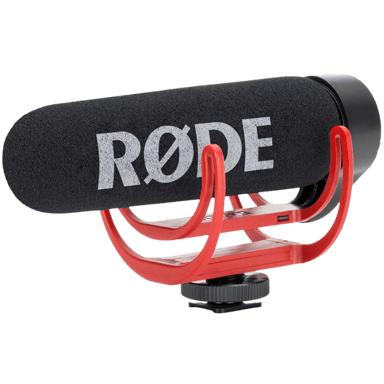
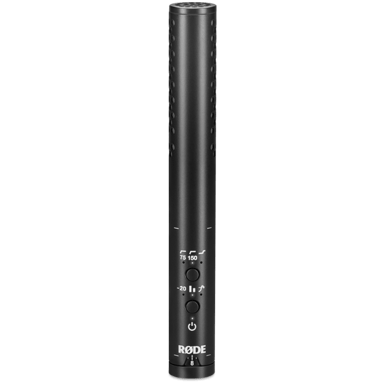
 Recaptor
 0
Cartling
0
Cartling